Leave No Trace
Seven outdoor principles that work just as well on vacation.
Plan a Lower-Impact TripLeave No Trace is a set of seven principles for enjoying the outdoors without harming it, published by the Leave No Trace Center for Outdoor Ethics. They were written with hiking and camping in mind, but they translate well to beaches, city parks and day trips. Below are the principles as the Center names them, with our own notes on how they apply to everyday travel. For the full official guidance, visit the Center’s website.
The Seven Principles
| Principle | What it looks like on a trip |
|---|---|
| Plan Ahead & Prepare | Check park rules, permits, weather and trail conditions before you go. Good planning is what keeps you on the trail and out of trouble. |
| Travel & Camp on Durable Surfaces | Stay on marked trails and established campsites. Walking around muddy patches widens trails and damages plants. |
| Dispose of Waste Properly | Pack out everything you bring in, including food scraps. Use toilets where they exist, and learn the local rules where they do not. |
| Leave What You Find | Leave rocks, shells, flowers and historic objects where they are, so the next visitor can enjoy them too. |
| Minimize Campfire Impacts | Use a stove for cooking, and use fires only where allowed, in existing fire rings, keeping them small. |
| Respect Wildlife | Watch from a distance, never feed animals, and store food so they cannot reach it. |
| Be Considerate of Others | Keep noise down, yield on the trail, and let everyone enjoy the quiet. |
Beyond the Trail
The same thinking works far from the backcountry:
- On beaches, take your rubbish home and leave shells and coral where they are.
- In cities, use bins and recycling, and do not add “love locks” or graffiti to monuments.
- At viewpoints, stay behind barriers even when the photo would be better on the other side.
- On the water, use reef-friendly practices: do not stand on coral or chase marine life.
Popular Parks Need Extra Care
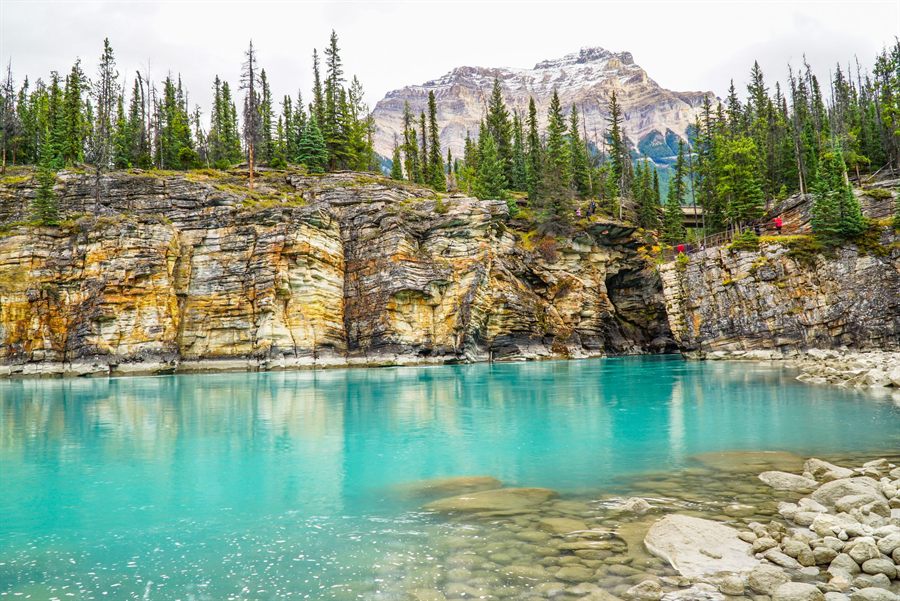
Busy national parks and famous viewpoints feel the effect of every visitor many times over. Some parks use timed entry or reservation systems during peak periods; check the park’s page on the National Park Service website well before you go. Visiting early in the morning, on weekdays or outside the busiest months spreads the load and usually gives you a better experience. Our off-peak travel page has more on timing.
Teaching the Principles to Children
Families are often the best Leave No Trace ambassadors, because children enjoy rules that come with a reason. Turn the principles into games: a prize for the person who spots the most trail markers, a “look but don’t touch” nature scavenger hunt, a bag for any litter found along the way. Junior ranger programs, offered at many U.S. national parks, are a fun way to learn about a park and how to care for it. Ask at the visitor center when you arrive.
Above all, children copy what they see. If the adults stay on the trail, keep their distance from wildlife and carry their rubbish home, the next generation will too.
Plan a National Park or Outdoor Trip
Tell us which parks or trails you have in mind and a specialist will help with lodging, transport and timing — with free quotes.
Get Free Trip Quotes