Off-Peak Travel and Overtourism
Shift your timing a little and everyone has a better trip.
Plan a Lower-Impact TripOvertourism is what happens when more visitors arrive than a place can comfortably handle: residents priced out of their neighborhoods, streets too crowded to walk, trails eroded and wildlife disturbed. Some cities and parks now limit numbers or charge entry fees at peak times. Travelers can help by choosing when, and where, to go.
Why Timing Matters
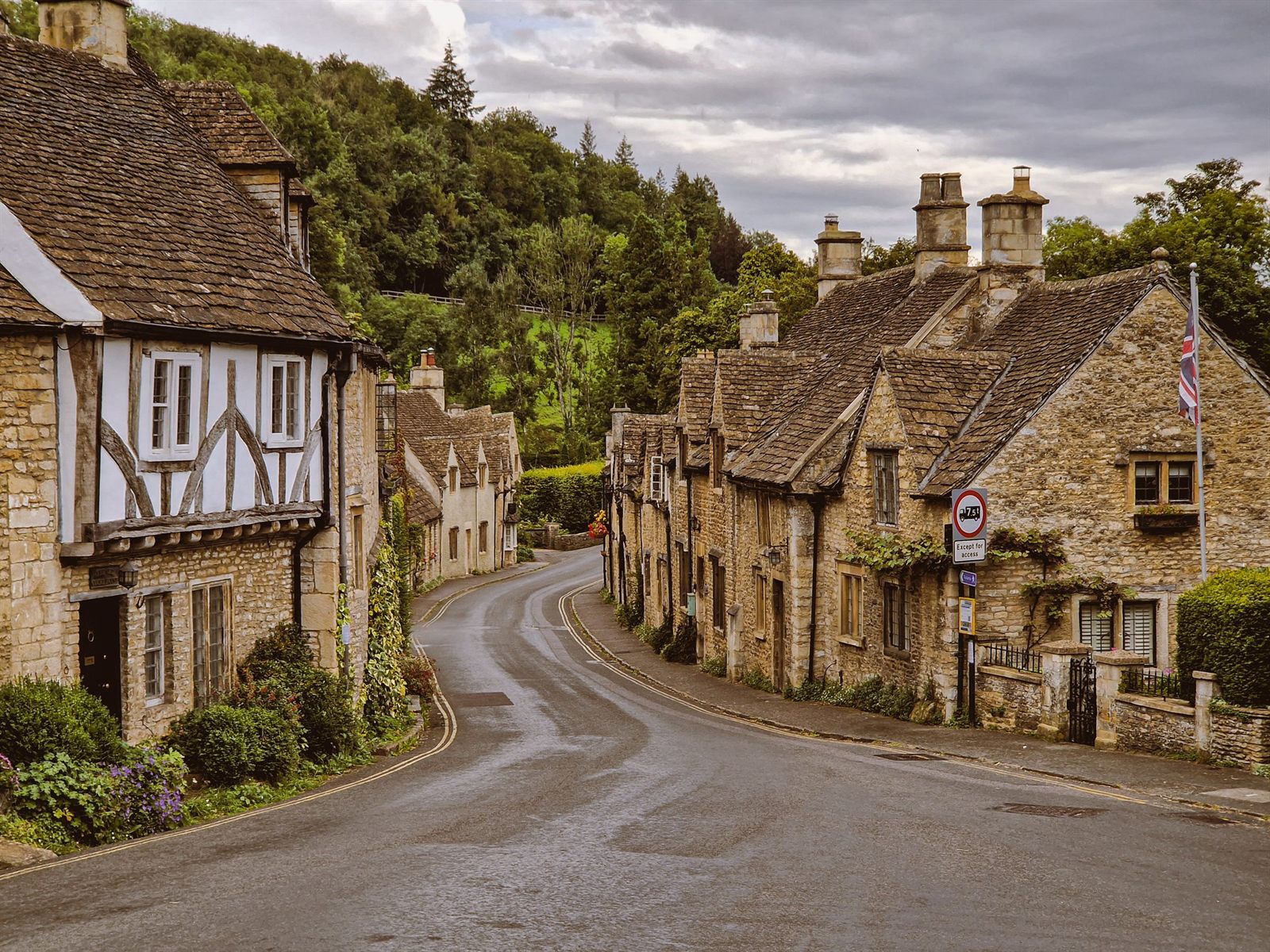
Most crowding is concentrated in a few weeks a year and a few hours a day. The same village that is packed with tour buses at noon in August can be peaceful at eight in the morning in October. Shifting your trip by a few weeks, or your sightseeing by a few hours, changes the experience for you and for the people who live there.
Off-peak travel also spreads income through the year, helping local businesses keep staff on beyond the high season.
How to Travel Off-Peak
Choose the shoulder season
Spring and autumn are often the sweet spot for Europe and many U.S. national parks; for tropical places, the start or end of the rainy season can be pleasant.
Avoid school holidays
Look up school vacation dates in your destination country as well as your own; they drive many of the busiest weeks.
Go early or late
See the famous sights at opening time or near closing, and spend the middle of the day somewhere quieter.
Pick the second city
Instead of the most famous town in a region, base yourself in a neighbor with good transport links.
Stay overnight
In places swamped by day-trippers, staying the night lets you enjoy the evening and early morning when the crowds have gone.
Spend locally
Eat, shop and book tours with local businesses so your visit pays its way.
Respect the Rules Places Set
When a destination introduces timed tickets, visitor caps, day-tripper fees or restrictions on short-term rentals, it is usually trying to stay livable for residents and enjoyable for visitors. Check the official tourism or park website before you go and plan around the rules rather than against them.
Across the U.S., there are countless lesser-known towns and parks well worth a visit; Best of the USA is a good place to start looking for them.
Frequently Asked Questions
What is the shoulder season?
The weeks between a destination’s peak and its quietest period. Weather is often still good, prices are usually lower, and crowds are thinner.
Will attractions be closed off-peak?
Some seasonal businesses close, particularly in beach and mountain resorts. Check opening dates before you book, and choose places that stay lively year-round if that matters to you.
Be a Good Neighbor in Busy Places
When you do visit a famous place at a busy time, small courtesies go a long way. Keep your voice down in residential streets, especially early and late. Do not block doorways or narrow lanes for photos. Follow the signs in historic centers about where you may sit, eat or swim. If you are staying in a rental apartment, remember that your neighbors are going to work in the morning while you are on vacation.
Above all, give the place time. A destination you rush through in a day sees your crowds but not your spending; one you stay in for a few nights benefits from both.
Find the Quiet Season
Ask a specialist which weeks are best for your destination — good weather, fewer crowds — and get free quotes.
Get Free Trip Quotes